Classic Car Restoration & Vehicle Refinishing Glossary
Welcome to the Amazing Autos Glossary. This guide explains some of the most common restoration, bodywork, paint, fabrication, and vehicle preservation services we carry out from our Swansea workshop.
Whether you're researching a full classic car restoration, looking into dry ice blasting, comparing paint restoration options, or trying to understand rust protection and undersealing, you'll find straightforward explanations below.
B
What Is a Bare Metal Respray?
A bare metal respray involves removing all existing paint, primers, fillers, and coatings down to the vehicle's original metal panels before refinishing. This process allows hidden corrosion, poor previous repairs, and panel imperfections to be identified and corrected before new paint is applied.
C
What Is Classic Car Restoration?
Classic car restoration is the process of returning a vehicle to its original condition or improving its overall condition through repairs, fabrication, paintwork, mechanical work, and preservation treatments. Restorations can range from partial repairs to complete nut-and-bolt rebuilds.
What Is Car Corrosion Repair?
Corrosion repair involves removing rust-damaged metal and replacing or repairing affected sections to restore structural integrity and appearance. The extent of repairs depends on the severity of the corrosion and the location of the damage.
D
What Is Dry Ice Blasting?
Dry ice blasting is a non-abrasive cleaning process that uses compressed dry ice pellets to remove dirt, grease, underseal, paint residue, and contaminants from vehicle surfaces. It is commonly used during restorations because it cleans effectively without damaging underlying metal.
F
What Is Vehicle Fabrication?
Vehicle fabrication involves manufacturing, modifying, or repairing metal components that are no longer available or cannot be repaired using standard replacement parts. This may include floor pans, chassis sections, brackets, panels, and structural components.
What Is Full Vehicle Restoration?
A full vehicle restoration is a comprehensive rebuild of a vehicle that may include bodywork, welding, fabrication, paintwork, mechanical refurbishment, rust treatment, and preservation work. The scope varies depending on the vehicle's condition and owner requirements.
I
What Is Insurance Repair Work?
Insurance repair work involves repairing accident-related vehicle damage that is covered by an insurance policy. This can include bodywork repairs, paint refinishing, panel replacement, and structural repairs where required.
P
What Is Paint Correction?
Paint correction is the process of removing surface imperfections such as swirl marks, oxidation, light scratches, and paint defects using specialist machine polishing techniques. The goal is to improve paint clarity, depth, and overall appearance.
What Is Paint Restoration?
Paint restoration focuses on improving the condition of existing paintwork through cleaning, correction, polishing, and protective treatments. It can help revive faded or neglected paint without requiring a full respray.
What Is Panel Fabrication?
Panel fabrication involves creating replacement body panels or repair sections when original parts are unavailable, discontinued, or too damaged to repair. This is common on classic and rare vehicles.
R
What Is Rust Protection?
Rust protection refers to treatments designed to prevent corrosion from forming or spreading. This may include cavity wax application, protective coatings, underbody treatments, and regular maintenance programmes.
What Is Rust Repair?
Rust repair involves removing corrosion and restoring affected panels or structural areas through welding, fabrication, and refinishing. Proper repairs address the source of corrosion rather than simply covering visible damage.
S
What Is Vehicle Servicing?
Vehicle servicing involves routine maintenance designed to keep a vehicle operating safely and efficiently. Typical servicing may include fluid changes, inspections, adjustments, and replacement of worn components.
What Is Structural Welding?
Structural welding is the repair or replacement of load-bearing vehicle components such as chassis sections, floor pans, sills, suspension mounting points, and other critical structural areas.
U
What Is Underbody Restoration?
Underbody restoration focuses on repairing, cleaning, protecting, and preserving the underside of a vehicle. This often includes rust removal, welding repairs, dry ice blasting, and protective coatings.
What Is Undersealing?
Undersealing involves applying protective coatings to a vehicle's underside to help protect against moisture, road salt, debris, and corrosion. It is commonly used on classic cars, performance vehicles, and daily drivers exposed to harsh conditions.
V
What Is Vehicle Body Repair?
Vehicle body repair covers the correction of dents, accident damage, panel imperfections, corrosion damage, and other issues affecting a vehicle's exterior panels and appearance.
What Is Vehicle Refinishing?
Vehicle refinishing refers to preparing and applying paint systems to restore or improve a vehicle's appearance. This may include primer application, colour matching, painting, lacquer application, and finishing work.
W
What Is Welding & Fabrication?
Welding and fabrication involve repairing, strengthening, or manufacturing metal vehicle components. These processes are commonly used during restoration projects where corrosion, damage, or unavailable replacement parts require specialist metalwork.
Why Choose Amazing Autos?
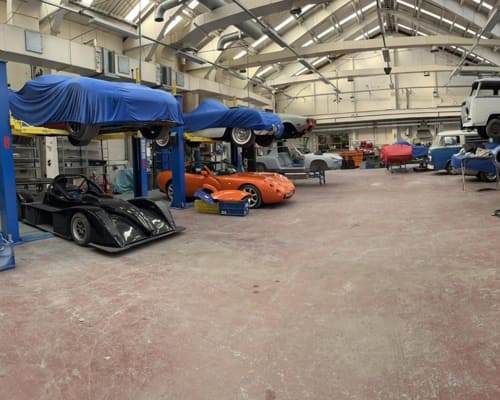
Amazing Autos began as a lifelong passion for classic cars more than 15 years ago and has grown into a trusted restoration and vehicle refinishing specialist serving South Wales and beyond. Operating from our Swansea workshop, our experienced team carries out everything from dry ice blasting and rust protection to fabrication, welding, paintwork, insurance repairs, and full classic car restorations.
Having worked on prestigious marques including Aston Martin, Ferrari, Porsche, and Austin Healey, we understand the level of care, attention to detail, and craftsmanship required to preserve and restore cherished vehicles.
If you're unsure which service is right for your vehicle, contact Amazing Autos today for expert advice and a free, no-obligation quotation.
TESTIMONIALS
What Our Customers Say About Us
Request A Free Quote
GET A FREE QUOTE
BUSINESS
SERVICES
SERVICE AREAS
OPERATING HOURS
Sun: Closed
Mon: 8:30am - 5:00pm
Tue: 8:30am - 5:00pm
Wed: 8:30am - 5:00pm
Thu: 8:30am - 5:00pm
Fri: 8:30am - 5:00pm
Sat: Closed